
Research at Materials Science & Engineering
Materials
Semiconductors

Semiconductors are the foundation of all modern electronics, enabling the operation of everything from smartphones to solar cells. Their unique ability to conduct electricity under specific conditions makes them critical for transistors, diodes, and integrated circuits. Research in this area focuses on developing new semiconductor materials and devices for applications such as next-generation computing, advanced sensors, and efficient energy conversion technologies.
Research Topics
- Nanowire electronics and photonics
- Semiconductor heterostructures for optoelectronic applications
- Perovskite semiconductors
Faculty Experts
Biomaterials
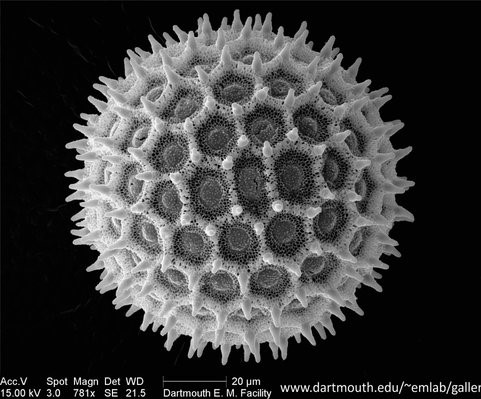
Biomaterials are engineered to interact with living tissues and biological systems to support, repair, or replace damaged bodily functions. This interdisciplinary field blends materials science, biology, chemistry, and medicine to develop materials that are biocompatible, biodegradable, and functional in clinical settings. Applications include bone and dental implants, drug delivery systems, tissue scaffolds, and diagnostic tools. Research focuses on understanding how materials behave in the body and designing smart materials that respond to physiological cues.
Research Topics
- Development of novel biosensors based on electronic and photonic nanostructures
- Development of bio-compatible and bio-active ceramic coatings for bone and dental implants
- Nanophotonic materials for biomedical imaging and therapeutics
Faculty Experts
Quantum Materials

Quantum materials exhibit unique electronic and magnetic properties governed by quantum mechanics, often emerging from collective behaviors of electrons. This field explores novel materials such as superconductors, topological insulators, and 2D materials, aiming to harness their quantum phenomena for revolutionary technologies. Research focuses on understanding, designing, and synthesizing these materials to enable advancements in quantum computing, ultra-low power electronics, and new sensing capabilities.
Research Topics
- 1D and 2D Materials Quantum Dots
- Topological systems for qubit development
- Majorana systems and materials
- Entangled photon source development
- Lanthanide-based quantum optics
Ceramics

Ceramics are inorganic, non-metallic materials that are typically hard, brittle, and resistant to heat and corrosion. From aerospace components and biomedical implants to electronics and energy systems, ceramics play a vital role in high-performance applications. Research explores both traditional ceramics (like refractories and glass) and advanced ceramics with engineered microstructures and unique optical, electronic, electrical, mechanical and magnetic properties. Efforts include improving performance in a wide range of applications including sensors and actuators, solid state batteries, capacitors, semiconductor packaging, seals and bearings, cutting tools, thermal protection, and wear and corrosion protection. Controlling composition and microstructure and understanding their complex behaviors at high temperatures, in corrosive environments, and under stress is key to innovation in diverse industries.
Research Topics
- Solid-state ceramic electrolytes
- Deposition and properties of thermal barrier coatings in turbine engines
- Ceramic coatings
- Photocatalysts
- Optical functional nanoceramics
Faculty Experts
Metals & Alloys

Metals and their alloys are widely used due to their strength, ductility, conductivity, and recyclability. From infrastructure and transportation to electronics and biomedical devices, metals underpin modern industry. Research focuses on developing new alloy systems, enhancing performance through processing, and understanding failure mechanisms. Techniques such as additive manufacturing and thermomechanical processing allow scientists to tailor microstructures for specific properties. A key focus is also on making metals more sustainable through lightweighting, recycling, and lifecycle design.
Research Topics
- Metal and alloy nanoparticles for catalysis applications
- Synthesis and modification of metal powders
- High-Entropy Alloys (HEAs)
- Advanced ferromagnetic metal alloys
Polymers & Composites
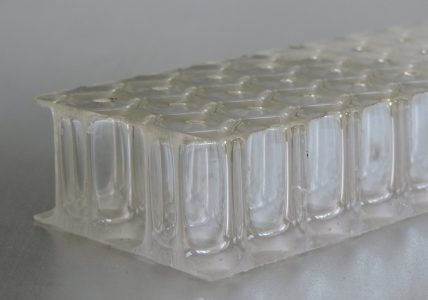
Polymers are long-chain molecules used in everything from clothing and packaging to electronics and medicine, while composites combine polymers with other materials to enhance strength, flexibility, or resistance. These materials are valued for being lightweight, durable, and customizable. Research aims to design new polymers with targeted properties, such as biodegradability, self-healing capabilities, or electrical conductivity. Composite research focuses on optimizing fiber-matrix interactions and developing materials for aerospace, automotive, and sporting goods.
Research Topics
- Fiber Composites, Nanocomposites, Hybrids
- Stimuli Responsive Polymers